
What changes when you know each supplier by name
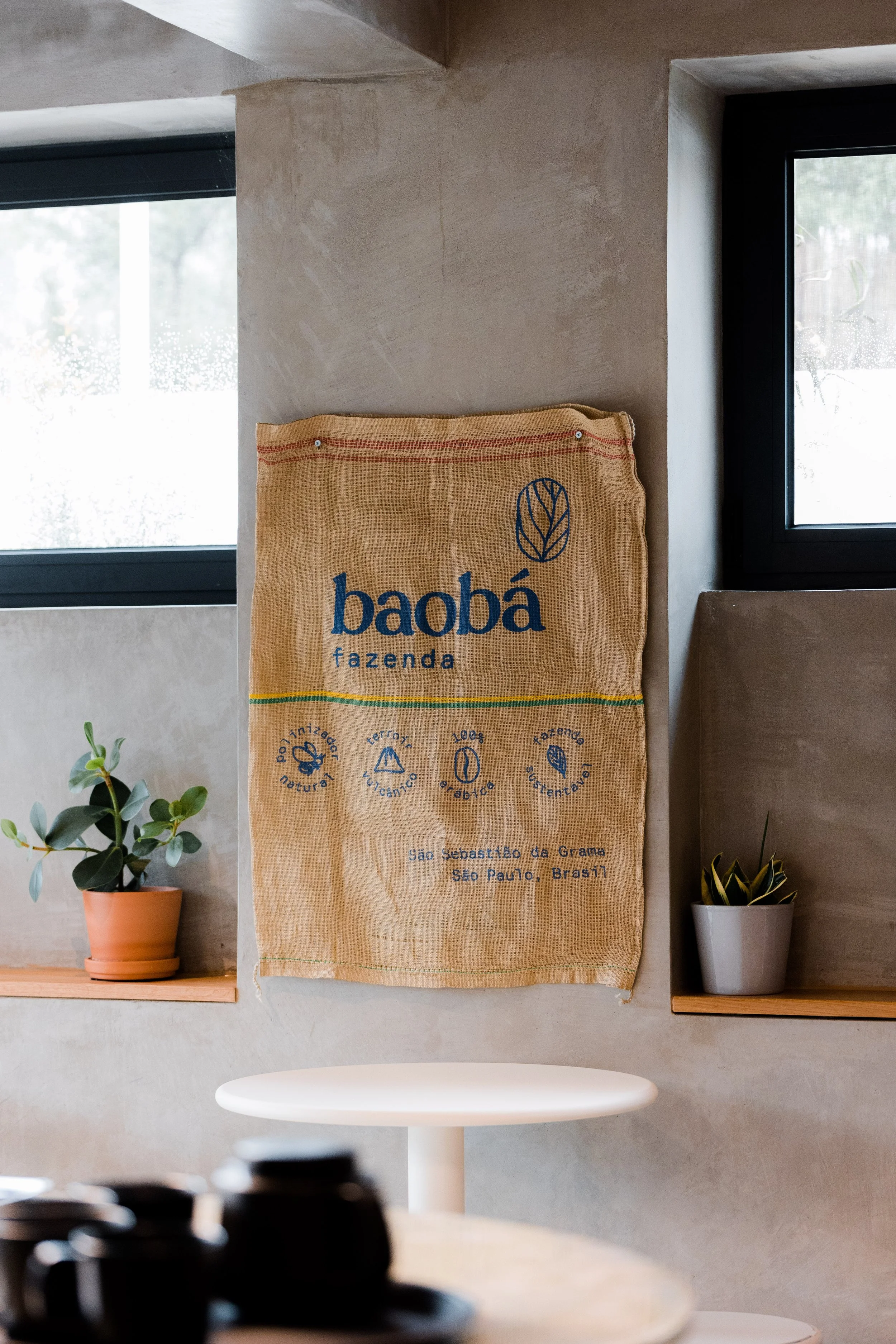
Some restaurants talk about suppliers as if they were brands. Others talk about them as if they were logistics. At the Provenance restaurant in Montemor-o-Novo, talking about suppliers means talking about people. And that changes everything—even when things don't go well.
The difference between buying and relating
Buying is simple. Building relationships takes work. Buying involves price, delivery, and regularity. Building relationships involves conversation, adjustments, delays, frustrations, and often silence when there is no product.
When you know each supplier by name, you can no longer make demands as if you were dealing with an endless shelf. You start negotiating with concrete realities: climate, labor, scale, fatigue. And that forces you to cook differently.
The kitchen is no longer in charge
In an industrial system, the kitchen decides and the rest adapts. In a relational system, the kitchen responds. There are weeks when certain products don't arrive. There are harvests that fail. There are deliveries that don't come in the "right" size. There is fish that doesn't show up. There are vegetables that arrive smaller, more crooked, less predictable.
When you know who produces the food, these variations cease to be a problem to be corrected and become information to be interpreted. The menu is no longer an imposition. It becomes a response.
Cooking with real people means accepting real limitations.
Knowing suppliers by name also means knowing their limitations. Not all of them produce year-round. Not all of them can increase their output because a restaurant has decided to change its menu. Not all of them can compete with the prices of large chains.
At Provenance, this is not seen as a weakness. It is seen as a starting point. The decision is not "how can I get more of this ingredient," but "how can I cook better with what I have now."
When the chain shortens, responsibility increases
Working with few intermediaries creates closeness, but also increases responsibility. There is no anonymity. If a supplier fails, you feel it. If a dish goes wrong, you know where the mistake came from. If something works well, the credit is shared.
There is no room to shift blame to “the market” or “the system.” The system is there, in plain sight. This calls for greater rigor—not less.
The kitchen as a place of translation
At Provenance, the kitchen often acts as a translator between two worlds: that of production and that of the customer. Customers don't always know why a dish has changed. They don't always understand why something is unavailable. They don't always understand why fish appears less often than they expect.
But when the kitchen knows the origin of each ingredient, it can explain—or at least decide with awareness. And that awareness can be felt in the dish, even when it is not verbalized.
Sustainability without romanticism
Knowing suppliers doesn't make everything better. It makes everything more complex. There are conflicts. There are difficult negotiations. There are choices that involve saying no—both to suppliers and to customers.
But this complexity is the exact opposite of greenwashing. It is what prevents sustainability from being just a comfortable discourse. Here, it has proper names, real delays, and difficult decisions.
Cooking like this doesn't scale easily.
This model is not easily replicable. It does not scale well. It cannot be automated. And perhaps that is why it is relevant. Knowing each supplier by name prevents uncontrolled growth, but creates something rarer: consistency. Between those who produce, those who cook, and those who eat.
At Provenance, this consistency is not perfect. But it is practiced every day. And in a restaurant, that changes almost everything.